What will the UK courts weigh?
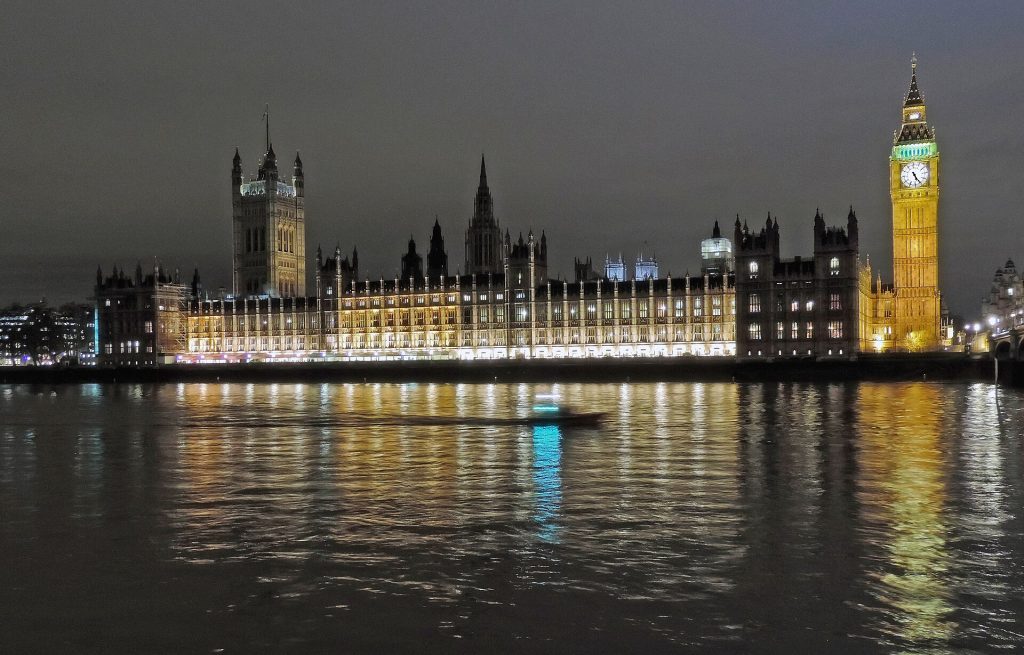
Kenya’s request is governed by Part 2 of the Extradition Act 2003. A district judge at Westminster Magistrates’ Court must be satisfied that no statutory bar applies and that extradition is compatible with Mr Purkiss’s rights under the European Convention on Human Rights. The Home Secretary then makes the final decision, and either side can appeal to the High Court.
Ben Keith’s assessment on Channel 5 was measured: “I think ultimately the UK will likely find that the Kenyan justice system is sufficiently robust to deal with a politically charged case, and prison conditions will really depend on whether… the Kenyans are prepared to give sufficient assurances as to the state of the prisons.”
Prison conditions are frequently the main battleground in requests from states with overcrowded prisons. Under Article 3 of the Convention, a court will refuse extradition where there are substantial grounds for believing the person faces a real risk of inhuman or degrading treatment. Requesting states usually answer that risk with diplomatic assurances: where the person will be held, how much space they will have, and how independent monitors can check. The court then asks whether those assurances are specific, given in good faith and capable of verification.
Two further issues are likely to be argued. The case has had heavy publicity in Kenya, which raises the question of whether a fair trial is possible there. And Kenya retains the death penalty for murder, although no execution has been carried out since 1987. Section 94 of the 2003 Act bars extradition unless the Home Secretary receives an adequate written assurance that a death sentence will not be imposed or, if imposed, will not be carried out.
Even a successful request is only the beginning. As Ben Keith put it: “Of course it doesn’t end there. Then a murder trial would begin to decide whether or not he’s guilty, so you know, there’s a long way to go.”