Rhys Davies writes for WealthBriefing. Read the full analysis here.
The recent arrest of Simon Leviev (aka the “Tinder Swindler”) at Batumi airport brings renewed scrutiny to how Interpol Red Notices function – and where they fall short. The piece, originally published in WealthBriefing, raises critical questions for anyone dealing with cross-border enforcement, high-net-worth clients, or potential misuse of international legal tools.
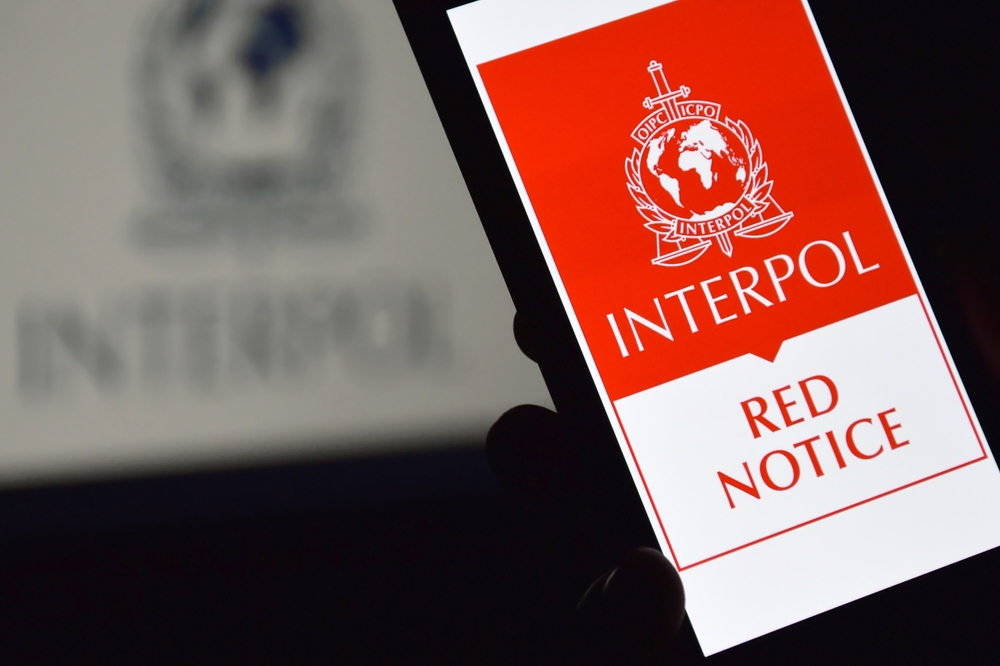
Red Notices are frequently misunderstood. A Red Notice is not an international arrest warrant, but rather a request circulated by Interpol to 195 member states that a specific individual is wanted for criminal prosecution or to serve a sentence. It includes identifying information (photo, name, DOB, alleged offences), but it is up to each jurisdiction whether to treat it as grounds for arrest or simply an alert. The original WealthBriefing article provides a fuller explanation. You can also find more information on Red Notices here: Interpol explained.
The case of the so-called “Tinder Swindler” highlights Interpol’s essential role in global law enforcement. The Red Notice system helps restrict the movement of serious offenders and supports international cooperation in bringing them to justice. Without it, wealthy fugitives could exploit cross-border travel to avoid accountability.
However, not everyone named in a Red Notice is a true criminal. For many, it is the start of a long legal ordeal involving detention, arrest, and even extradition, sometimes to jurisdictions where due process and the rule of law are questionable.
The system’s effectiveness also makes it open to abuse. Authoritarian states have used Red Notices to pursue political opponents, dissidents, or commercial rivals, turning a legitimate policing tool into a means of transnational repression.
For high-net-worth individuals, the risks extend beyond politics. Red Notices are sometimes deployed during business disputes, turning civil disagreements into criminal allegations. They can be used as bargaining chips in arbitration, or simply as pressure tactics and even extortion against prominent business figures.
The consequences are immediate and far-reaching. Once a notice is issued, electronic alerts spread across member states and their law enforcement networks. Travel becomes risky, as immigration and border officers are instructed to detain flagged individuals. Even hotel registrations in some countries are shared with police, creating further exposure to detention and extradition.
This makes it critical to examine the legitimacy of any Red Notice – whether issued or merely threatened. Assessing the requesting country’s motives, the credibility of allegations, and the quality of evidence is vital to safeguarding legitimate business interests.
While Interpol Red Notices remain one of the few tools in cross-border law enforcement, the Leviev case underscores their fragility – as mechanisms that depend not only on international coordination but also on vigilance and integrity at each step. For those impacted, the path forward requires both legal strategy and careful navigation of the system’s weaknesses.
Read the full analysis by Rhys Davies on WealthBriefing, first published on 25 September 2025.
—
Image: Unsplash